The Quiet Revolution: Reclaiming Your Mind Through a Social Media Detox
The Quiet Revolution: Reclaiming Your Mind Through a Social Media Detox
In a world that's more connected than ever, we're actually living in a society filled with deep loneliness and ongoing anxiety. Smartphones, which are amazing tools, give us instant access to all human knowledge and allow us to speak with people around the globe in seconds. But these devices are mostly being used by platforms that don't help us connect, but instead take away our most valuable resource: our attention. We're in the age of algorithmic feeds, where every swipe, tap, and scroll is closely watched, studied, and turned into money. If you find yourself automatically reaching for your phone the moment you wake up or losing hours to endless scrolling, you're not the only one. You're just losing a battle against powerful computers that are designed to take control of your brain's reward system. It's time to take a break from the screen and go on a social media detox.
To really understand why stepping back is so important, we need to look at the neuroscience of scrolling. Social media platforms are not neutral tools; they are built to influence behavior. They work on the same psychological principles as slot machines in casinos, using what behavioral psychologists call "variable ratio schedules of reinforcement." When you refresh your feed, you never know what you'll see—it could be a normal update from a distant friend, a frustrating news headline, or a validating message that someone liked your photo. This uncertainty causes a big release of dopamine, a chemical linked to craving and reward. Over time, your brain starts to want this level of excitement, making quiet, real-life moments feel painfully dull. A detox isn't just a break from the internet; it's a necessary reset for your brain.
Recognizing the need for a digital detox means being honest with yourself about your habits.The signs of digital overload are subtle, often creeping up until they feel like normal parts of life. You might experience "phantom vibration syndrome," where you think your phone is buzzing even when it's not, showing a nervous system that's always in a low-level state of anticipation. You might find your attention span broken, making it hard to watch a movie or read a book without checking another screen. The most damaging symptom, however, is the silent thief of joy: comparison. Constantly looking at the carefully edited, idealized lives of friends, celebrities, and influencers naturally leads to feeling inadequate. If your mood drops after browsing or you panic when away from your device, your digital habits have moved from being fun to being compulsive.
The real benefits of unplugging are big and immediate.When you remove the constant noise of digital distractions, the first thing you'll notice is how much time you're saving. The average person spends over two hours a day on social media. Over a year, that's a whole month of life that's been lost to screens. Reclaiming this time lets you focus on physical health, hobbies you've neglected, and deep, meaningful work. Mentally, the fog lifts. Without the constant flow of angry news and comparison triggers, levels of anxiety and depression often go down. Plus, your real-life relationships get stronger. By taking your phone away from conversations, you can give your loved ones the rare and valuable gift our modern world has lost: your full, undivided presence.
Executing a successful social media detox needs more than just a general idea to spend less time online. It needs a clear, planned approach. Willpower is limited and won't last when facing a powerful algorithm. The first step is to set a clear time period. For real change in your brain, at least thirty days is best, but even a week away can help. Once you have your time frame, you should change your physical space. Remove all the apps from your phone completely. Don't just hide them; the effort to re-download them is important. If you need to use social media for work, use a desktop instead and use tools that block feeds and limit your time.
The first few days of a detox can be tough, and you might feel like you're missing out on something. Your thumb might keep touching the place on your phone where social media used to be. It's important to expect this and see it as a sign that the detox is working, not a failure. Your brain is used to getting quick dopamine hits from social media, and it's not happy without them. To get through this, replace scrolling with real activities. Keep a book nearby, take a walk without your phone, or try something like cooking, drawing, or playing an instrument. Give your mind a healthy alternative.
As the weeks go by, the strong urge to check social media will get less, and you'll start feeling calm and clear. You'll find pleasure in simple moments without needing to share them online. You'll notice the world around you with more interest. This is the real purpose of the detox. It's time for you to think about what's truly important in life, not just what's popular online. You'll probably find out that most of the information you once thought was important had no real impact on your life. Real connection can't be measured by likes or retweets.
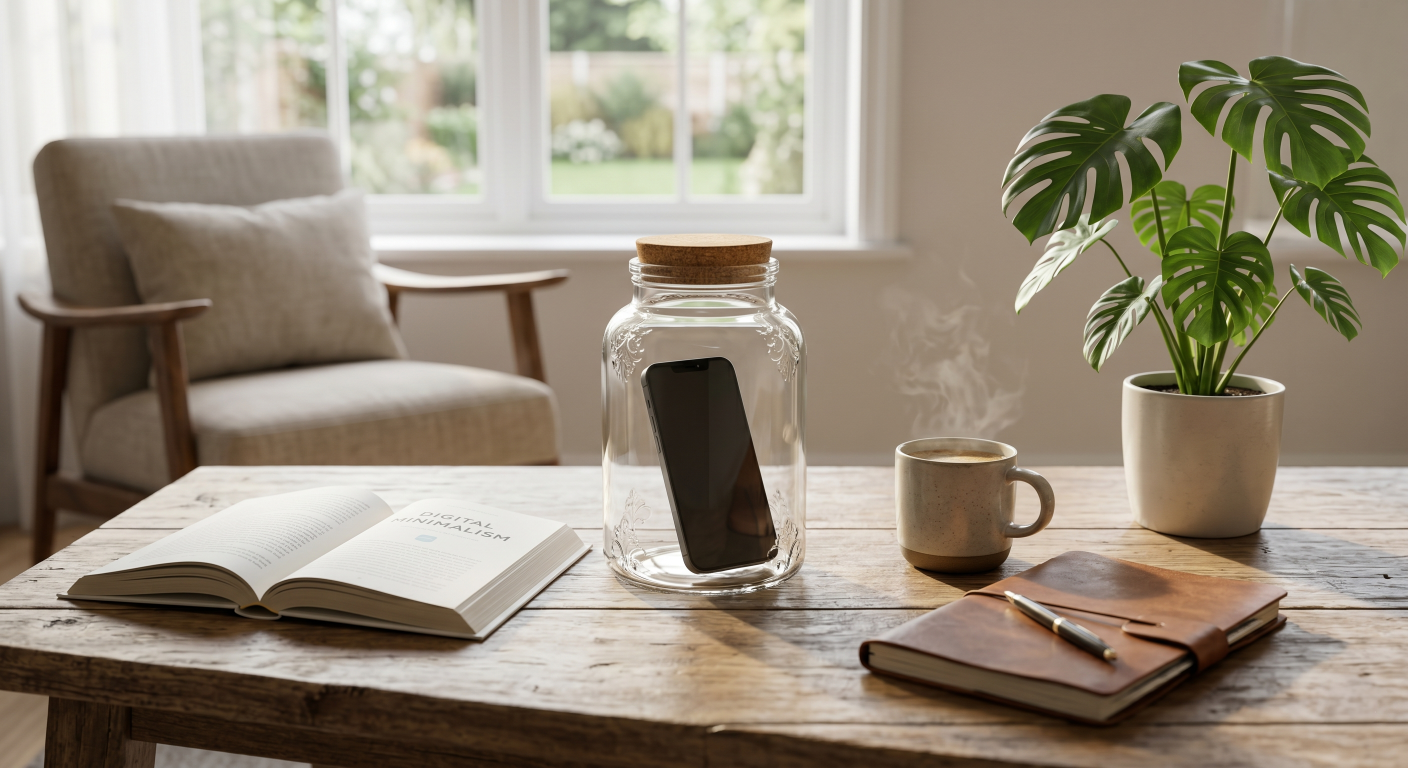
The last and most important part is how you bring social media back into your life. The goal isn't to cut off technology forever, but to use it wisely. As your break ends, decide exactly how, when, and why to bring the apps back. Follow the idea of digital minimalism. When you reinstall apps, unfollow any accounts that don't add real value or make you happy. Turn off all unnecessary notifications; your phone should only ask for your attention when there's a real problem, not for algorithm suggestions. Set firm rules, like not letting your phone in your bedroom or not using screens during meals.
In summary, taking a break from social media is one of the strongest actions we can take in today's world. It's saying that your attention matters to you, not to big companies. Even though it's uncomfortable at first, the gain is taking back control of your mind, time, and relationships. Understanding how we're hooked on digital things and taking steps to break free can help us live a life where technology is a tool, not a boss. The real world, with all its complexity and beauty, is waiting for you to look up.