
The Ultimate Guide to Better Sleep: Unlocking the Science of Restorative Rest
We spend about a third of our lives sleeping, yet for many people around the world, it feels like a luxury they can't afford. Sleep is not just a time to rest or a perk for weekends; it's a basic need as important to our health as food, water, and air. In today’s fast-paced, always-connected world, sleep is often the first thing we sacrifice to keep up with busy schedules and digital distractions. We pride ourselves on "hustling" on just four hours of sleep and use energy drinks and caffeine to push through the day.
However, science tells a different story: consistently getting too little sleep is a slow, serious health issue.Not getting enough quality sleep can damage your brain, mess up your emotions, weaken your immune system, and greatly increase your risk of long-term health problems like heart disease, obesity, and Alzheimer’s.
If you're tired of waking up feeling exhausted, battling brain fog, or lying awake at 3:00 AM, it’s time to take back your sleep.This guide dives into the science of sleep and offers practical, research-backed strategies to help you build a better, deeper, and more restful sleep routine.
Understanding the Science: The Structure of Sleep
To improve your sleep, you need to understand how it works.
Sleep isn't just a state of being unconscious; it's a complex, active process with different stages. The human body follows two major systems that control your sleep patterns:
1.The Circadian Rhythm
Your circadian rhythm is your body's internal 24-hour clock. It's located in the hypothalamus, specifically in the suprachiasmatic nucleus, and it dictates when you feel awake and when you feel sleepy. It's influenced by environmental signals, especially light. When you see sunlight in the morning, your brain stops producing melatonin (a hormone that helps you sleep) and releases cortisol (a hormone that helps you wake up). As it gets dark, your brain increases melatonin production, signaling that it's time to rest.
2.Sleep Drive (Homeostatic Sleep Pressure)
From the moment you wake up, a chemical called adenosine starts building up in your brain.The longer you are awake, the more adenosine accumulates, creating a growing "need" for sleep. When you finally sleep, your brain clears out this adenosine, resetting the pressure for the next day. (Caffeine works by temporarily blocking adenosine receptors, which can hide your real level of tiredness.)
When these two forces align perfectly, you fall asleep easily and stay asleep.
The Stages of Sleep
During a typical night, you cycle through different stages of sleep every 90 to 120 minutes:
Stage 1 (Light Sleep): This is the transition between being awake and asleep. It only lasts a few minutes.
Stage 2 (Light Sleep): Your heart rate slows, your body temperature drops, and your brain produces "sleep spindles" — bursts of brain activity that help with memory. You spend about 50% of your sleep time in this stage.
Stage 3 (Deep Sleep / Slow-Wave Sleep): This is the most restorative stage. Your blood pressure drops, your breathing becomes deeper, and your brain produces slow delta waves. This is when your body repairs cells, builds muscles, and strengthens your immune system. It's hard to wake someone up during this stage.
REM Sleep (Rapid Eye Movement): REM occurs about 90 minutes after falling asleep. It's marked by quick eye movements, temporary muscle paralysis, and vivid dreams. REM is important for cognitive functions, emotional balance, creativity, and memory processing.
The Hidden Costs of Sleep Deprivation
What happens when we shortchange this essential biological process? The effects of not getting enough sleep go beyond just being sleepy.
Cognitive Decline: Lack of sleep affects attention, alertness, concentration, reasoning, and problem-solving.It prevents the brain from storing short-term memories into long-term memory.
Emotional Instability: The amygdala (the brain’s emotional center) becomes overly reactive without enough sleep, leading to increased anxiety, irritability, and a risk of depression.
Metabolic Disruption: Sleep deprivation messes with your metabolism. It increases ghrelin (a hormone that makes you hungry) and decreases leptin (a hormone that signals fullness), making you more likely to crave high-carb, sugary foods. Over time, lack of sleep can cause insulin resistance and weight gain.
Cardiovascular Strain: Chronic sleep loss is linked to chronic inflammation, higher blood pressure, and an increased risk of heart attacks and strokes.
Immune Suppression: During deep sleep, your immune system releases proteins called cytokines that help fight infection and inflammation.Not getting enough sleep greatly reduces your body's ability to fight off illnesses.
Designing the Perfect Sleep Environment
The first step to getting better sleep is making your physical surroundings work for you. Your bedroom should be a special place just for sleeping and spending time with loved ones.
The Power of Darkness
Light can stop your body from making melatonin, the hormone that helps you sleep. In today's world, things like phone screens, tablets, laptops, and even LED lights can trick your brain into thinking it's daytime.
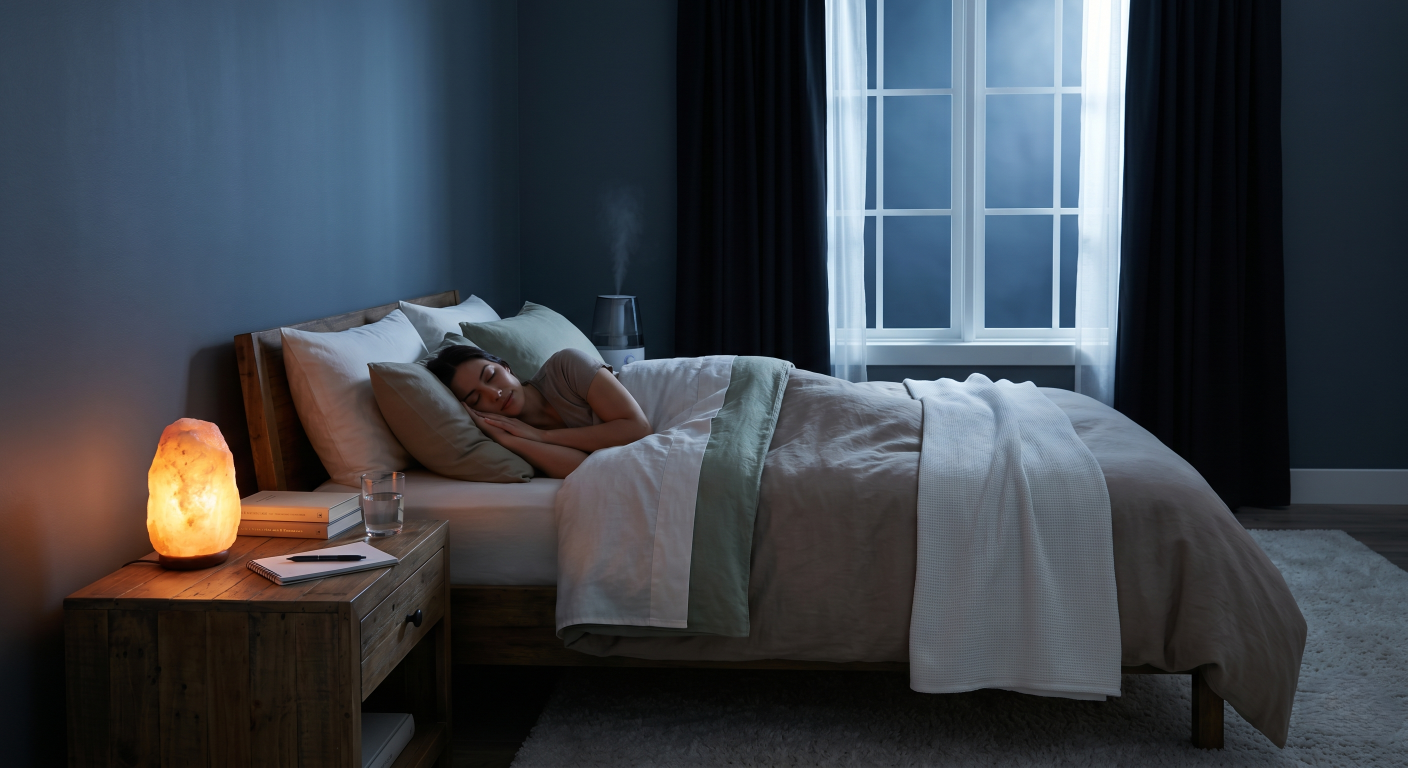
Action: Turn down the lights in your house at least 90 minutes before bedtime. Get good blackout curtains or a comfortable eye mask. Most importantly, don't have screens in your bedroom.
The Temperature Drop
Your body needs to cool down by about 2 to 3 degrees to start sleeping. If your room is too warm, your body won't be able to go into sleep mode easily.
Action: Set your thermostat between 60°F and 67°F (15°C to 19°C).Experts say 65°F is ideal. Taking a warm bath or shower before bed can also help. As the water dries off your skin, it cools your body down quickly, telling your brain it's time to sleep.
Silence the Noise
Even if you don't notice it, background noise can take you out of deep sleep and keep you in lighter sleep stages.
Action: If your home is noisy, use a white noise machine or a fan to create a steady background sound that covers unwanted noise.Earplugs are also a cheap and effective solution.
Invest in Your Mattress and Pillows
You spend a third of your life on your mattress. If it's sagging, not supportive, or traps too much heat, it can really affect your sleep.
Action: Check your bed setup. Make sure your mattress supports your spine and your pillows help keep your neck in a natural position.
Behavioral Interventions: Habits for Better Sleep
What you do during the day affects how well you sleep at night.You can't expect to sleep well if you're drinking caffeine and feeling stressed all day.
Master Your Morning Light
The best thing you can do for your sleep is to get natural sunlight in your eyes right after waking up.Exposure to sunlight in the first 30 to 60 minutes of the day helps set your body's internal clock, which starts the process of making melatonin later that evening.
Tame the Stimulants
Caffeine stays in your system for 5 to 7 hours.
A quarter of the coffee you had at 3 PM is still in your body at 11 PM. Alcohol might help you fall asleep faster, but it messes up your sleep cycle, stops REM sleep, and can wake you up during the night as the effects wear off.
Action: Set a strict caffeine limit at least 10 hours before bedtime. Avoid alcohol at least 3 to 4 hours before going to sleep.
Consistency is King
Your brain likes to follow routines. Changing your sleep and wake-up times a lot, like on weekends, can mess up your body's natural clock.
Action: Choose a wake-up time and keep it the same every day, even on weekends. This consistency will help your body feel sleepy at the right time each night.
The Wind-Down Routine
You can't just stop a fast-moving car instantly. Your brain works the same way. You need some time to slow down before going to sleep.
Action: Make a 60-minute wind-down routine. Turn off the news, stop working, and do relaxing things. This is a good time to read a physical book, stretch, write in a journal, or meditate. If you have racing thoughts, keep a "worry journal" by your bed to write down your plans for the next day. This helps your mind relax.
Conclusion: Reclaiming Your Rest
Better sleep isn't something you get with a pill or a quick fix.It comes from making small, consistent changes that match how our bodies naturally work. By following your body's natural sleep rhythm, making your sleep space better, managing your daytime activities, and taking time to unwind, you can greatly improve how well you sleep.
Sleep is the ultimate way to boost your performance, protect your health, and live a more energetic life. Stop treating it as something you can do later. Start valuing your rest tonight, and you'll see how your mood, concentration, and physical health improve.