
The Great Tech Squeeze: Navigating the Upcoming Computer Price Hike
The Great Tech Squeeze: Navigating the Upcoming Computer Price Hike
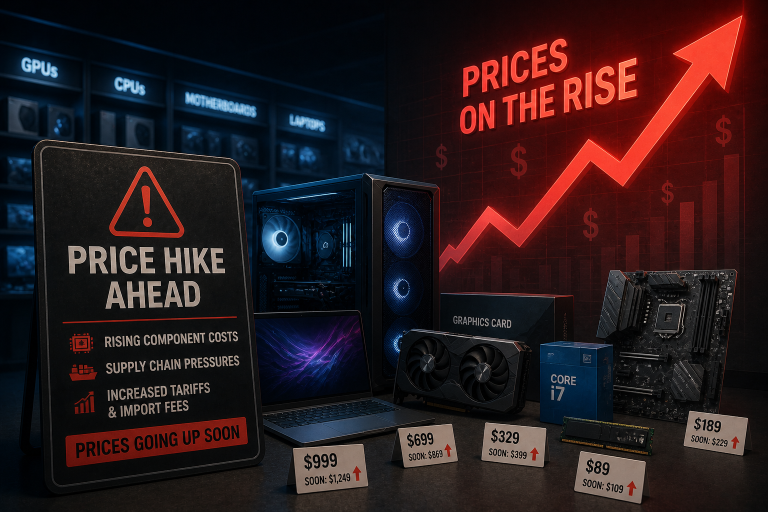
Since the start of the personal computer era, technology has mostly followed a predictable path, mostly because of Moore's Law. This law says that computing power grows very fast while the cost of getting that power goes down. For many years, people have gotten used to this idea, expecting that spending the same amount today will get them a much better computer than they could buy five years ago. But in 2026, the tech world is changing in a big way. Experts in the industry, people who manage supply chains, and major computer makers are warning that prices for computers, laptops, and key parts are going to go up a lot.
This isn’t just a short-term problem or a small change in how much stores make from selling computers.It’s a big change in how technology is made and sold. To find out why your next computer might cost more than expected, we need to look at the global system used to make computers and see what factors are making prices rise so much. This is called the "Great Tech Squeeze."
The Semiconductor Bottleneck: Beyond the Pandemic Shortage
One big reason is the problem with making computer chips. Even though the chip shortages from early 2020 are mostly over, there is a bigger issue. Making advanced chips is getting more expensive. These chips, which are in computers and gaming systems, are made in a few big factories called "fabs" mainly in Taiwan and South Korea. Companies like TSMC and Samsung control how much chips are made. To create even smaller chips, like those at 3 or 2 nanometers, these factories need a lot of money to build and keep running. The machines used for this process, called Extreme Ultraviolet (EUV) lithography machines, cost hundreds of millions of dollars each. Because of this, the cost to make each batch of chips has gone up, and these costs are passed on to companies like Apple, AMD, Intel, and Nvidia. These companies then pass the extra costs on to you, the customer. The cost of the main part of your computer has gone up a lot.
The Artificial Intelligence Gold Rush
Another big factor is the growing need for high-performance computing because of artificial intelligence. Since the rise of powerful AI models, there has been a huge demand for top-tier computing hardware. Big companies and data centers are buying thousands of high-end chips and graphics cards to train complex AI systems. This means that the factories that make these chips are getting more requests from these big companies, who are willing to pay a lot to get the chips they need. As a result, the making of standard processors for regular computers is getting lower priority. This AI growth is also affecting the supply of memory parts. The production of High Bandwidth Memory (HBM) and advanced packaging facilities is being pushed to meet the needs of AI. As memory makers focus on making higher-profit products for AI, the supply of standard memory like DDR5 and NAND flash (used in SSDs) is decreasing. This shortage in memory is a big reason why prices are going up, and it could end the time when computer storage was very cheap.
Raw Materials and the Green Energy Competition
Computers are made from many materials, like copper, gold, aluminum, and rare earth elements. The cost of these materials is rising because of the push towards green energy. The move towards electric vehicles, solar energy, and better power systems needs a lot of copper, which is also used in computer parts. As demand for copper grows in the auto and energy industries, the supply can’t keep up, making copper more expensive. Rare earth metals, which are needed for hard drives and screens, are also getting more expensive because of strict rules and control over mining and shipping these materials. The cost of energy needed to mine and transport these materials adds to the final price of electronics.
Geopolitics, Tariffs, and the Cost of "Tech Sovereignty
The mid-2020s have changed the way global trade works, especially for the tech industry that has relied on smooth international trade for many years. There are now strong trade conflicts between major world powers, which have led to a complicated system of tariffs, export limits, and special sanctions, mostly aimed at the tech field.To protect their supply chains and national security, places like the United States and the European Union have created big new laws (like the CHIPS and Science Act) to encourage making semiconductors in their own countries. Even though this push for tech independence is important for long-term stability, it also brings huge costs in the short and medium term.
Making advanced electronics in the US or Europe is much more expensive compared to making them in places like Asia. This is because labor costs are higher, environmental rules are stricter, and there's no strong local network of suppliers. As companies start to spread out their manufacturing to avoid risks from politics, they have to pay more to run a global supply chain. These higher costs are then passed on to the final price of new devices.
Logistics, Freight, and Persistent Inflation
Getting a computer from factories in Shenzhen or Vietnam to stores in New York or London depends a lot on shipping.While shipping costs have gone down from their high levels during the pandemic, they are still affected by energy prices and problems in key shipping areas like the Red Sea and the Panama Canal.
Adding to all these issues is the ongoing effect of global inflation. Even though central banks have been trying hard to reduce inflation, the basic costs of labor, energy, rent, and other expenses for tech companies have gone up for good. A dollar today isn't worth as much as it was a few years ago. Because of this, hardware manufacturers have to raise prices to keep their profits.
The Impact on Consumers: Who Will Feel It Most?
The price increases won't affect everyone the same way.
Budget-conscious Buyers and Students: The biggest impact will likely be felt by those buying basic, entry-level computers.
In the past, it was common to find powerful laptops for under $400. But with rising costs of parts, it may become hard to keep these low prices. If companies can't keep the prices low, they may use lower quality parts, like poor displays, not enough memory, or old processors. This could make it more expensive for students and families with limited income to get a good computer.
PC Gamers and Enthusiasts: People who build gaming PCs know about sudden price changes, especially for graphics cards.
But this time, it's expected to affect more than just the graphics cards. Components like motherboards, power supplies, and fast memory will also get more expensive. A mid-range gaming PC that used to cost around $800 to $1000 could soon cost up to $1500 to have the same performance.
Businesses and Enterprises: Companies that handle IT will face tough choices when it comes to their budgets.
Replacing a whole fleet of laptops every few years will be much more expensive. Small businesses might have to keep using their old machines longer, which could cause problems with productivity and higher repair costs.
Dealing with the Situation: Smart Strategies
Although the big economic forces causing these price increases are out of the control of regular customers, there are steps that people and businesses can take to manage the financial impact.
Buy Now if You're Thinking About Upgrading: If you're deciding whether to upgrade your old computer or desktop, experts suggest buying sooner rather than later. Right now, prices are better compared to what's expected in the next 12 to 18 months as new, more expensive products hit the market.
Consider Refurbished and Used Products: The idea that used electronics are bad is changing. Refurbished options from big brands (like Apple, Dell, and Lenovo) are high quality and cheaper than new ones. As prices go up, these used and refurbished options will become more important for people trying to save money.
Upgrade, Don't Replace: For desktop users, the price increase is a good reminder to think about making your current system better instead of buying a new one. You can make your old computer faster and more powerful by upgrading parts like the hard drive to an SSD, adding more RAM, or changing the graphics card. This can add years of extra life to your machine for much less than buying new.
Think About What You Really Need: In the past, it was common to buy high-end processors for simple tasks like word processing or browsing the web. Now, it's important to be honest about what you actually need. Buy hardware that matches your real needs instead of paying a lot for extra, unused power.
Support the Right to Repair: Because it's getting more expensive to buy new devices, it's more important than ever to support companies that make repairable products. Advocating for "Right to Repair" laws can help you fix broken screens or worn-out batteries instead of buying brand new, costly equipment.
Conclusion
The coming price increase for computers isn't just a one-time thing, but the result of many changes happening in the world. The mix of advanced semiconductor costs, demand from the AI field, lack of raw materials, and complicated international politics has created a reality where making tech is now more expensive.
Even though this change will make things harder for consumers who are used to prices going down, it also forces a new way of thinking about technology. The culture of throwing away old devices may need to be replaced with a more thoughtful approach to buying, making things last longer, and appreciating the hard work that goes into making the technology we use every day.